
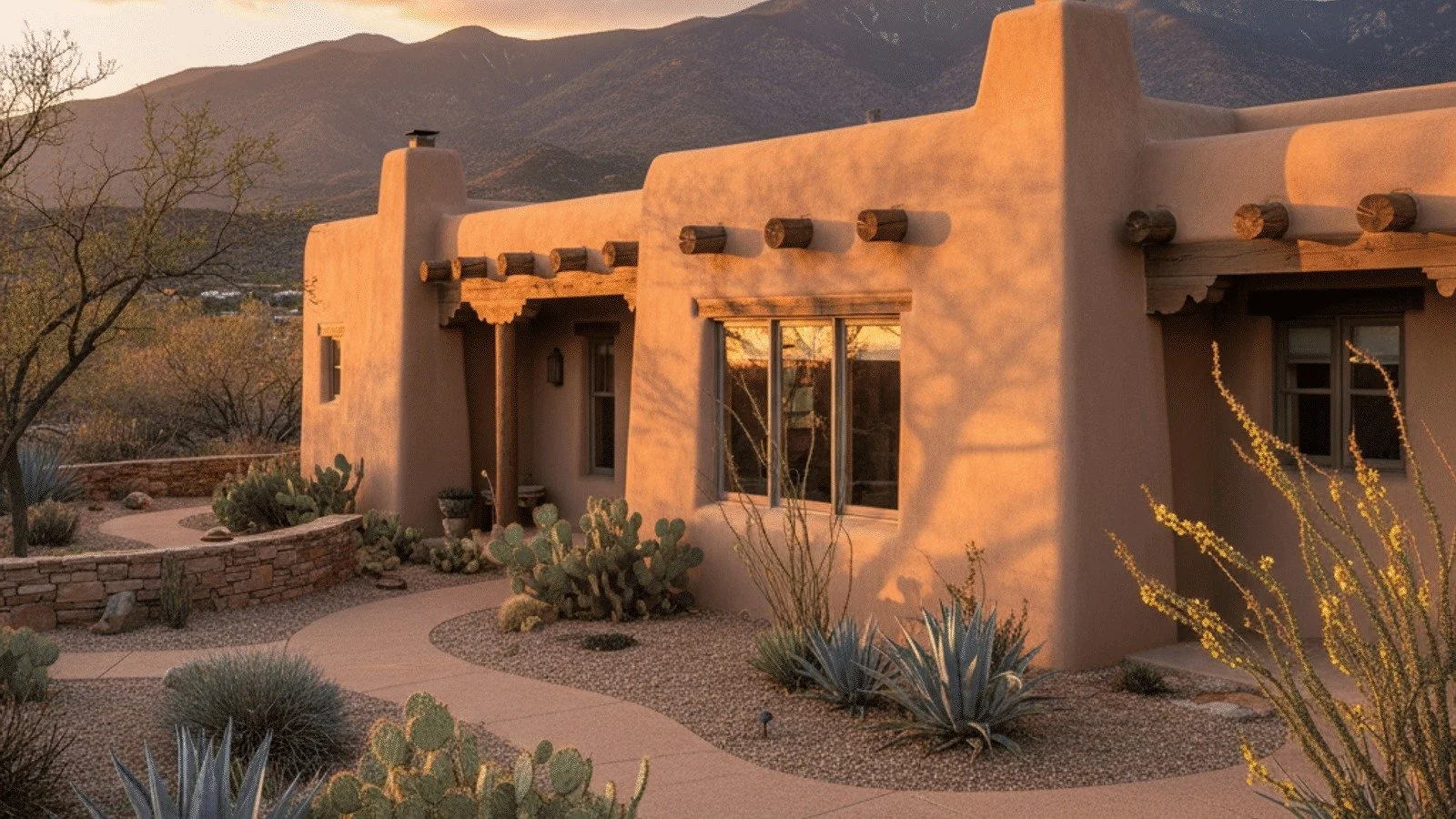
Santa Fe isn’t like anywhere else. When you decide to sell a property here, you aren't just selling square footage and a garage; you are selling the light, the views of the Sangre de Cristos, and that distinct "Santa Fe Style" charm. Whether it’s a historic adobe on the Eastside or a contemporary build in Las Campanas, buyers come here looking for a feeling as much as a floor plan.
However, the market is shifting. We are seeing inventory slowly creep up, and the days of sticking a sign in the yard and getting multiple offers over the weekend are largely behind us. Buyers are becoming more selective, and they have more options than they did a few years ago.
That doesn’t mean it’s a bad time to sell—far from it. It just means you need a sharper strategy to maximize your equity. This guide walks you through exactly how to prep, price, and close the deal in today’s landscape, ensuring you don't leave money on the table.
Current Santa Fe Real Estate Market for Sellers
Before we talk about staging or pricing, let’s look at the numbers. The market temperament right now is a bit of a mixed bag. In luxury pockets like the Historic Eastside or Las Campanas, it is still very much a seller's market. Unique, high-end homes move well because there simply aren't many of them.
However, in workforce areas or neighborhoods with more standard construction like the Southside, things are more balanced. Buyers are price-sensitive. They are watching interest rates and monthly payments closely, meaning they are less likely to overbid just to win a deal.
We are also seeing homes sit on the market a little longer. Days on Market (DOM) has trended upward, often hovering around 50 to 60 days depending on the price point. This is normal for a healthy market, but if you’ve been reading national headlines about instant sales, it’s important to adjust your expectations. Pricing correctly from day one is critical to avoid sitting stale.
Step 1: Preparing Your Santa Fe Home for Sale
When a buyer walks into a Santa Fe home, they want to feel that warmth we are famous for. This means playing up your architectural features. If you have kiva fireplaces, vigas, or nichos, make sure they are highlighted. These aren't just structural elements; they are the emotional hooks that sell the house.
Beyond the aesthetics, you have to address the "unsexy" maintenance items. In our high-desert climate, stucco repair is absolute priority number one. Nothing scares a buyer off faster than visible cracks in the stucco, which immediately make them worry about moisture intrusion. The same goes for your roof; having documentation of recent flat roof maintenance can save a deal before it even starts.
Curb appeal here looks different than in other parts of the country. We don't do lush green lawns; we do xeriscaping. But "low water" doesn't mean "no maintenance." Make sure your native plants are trimmed and not looking wild. A fresh layer of gravel can do wonders for making the exterior look crisp and cared for.
Finally, declutter aggressively to let the light in. Santa Fe is famous for its natural light, and buyers want to see it flooding your living spaces.
Step 2: Pricing Strategy in a Shifting Market
Pricing a home here is more art than science. In a subdivision where every house is the same, you can rely on an algorithm. But in Santa Fe, where you might have a 100-year-old adobe next to a brand-new contemporary build, automated estimates are often wrong.
We have to look at specific value drivers that computers miss. Does your home have unobstructed views of the Jemez Mountains for sunset? Are you in a historic district? Do you have a guest casita or rare water rights? These features add significant value that doesn't always show up in a standard price-per-square-foot calculation.
The danger right now is overpricing. With inventory rising, if you price too high, you risk sitting on the market. Eventually, you may have to cut the price, which signals to buyers that something might be wrong or that you are desperate. Recent data suggests about 20% of listings have seen price cuts, illustrating just how price-sensitive the current buyer pool is.
Step 3: Marketing to Local and Out-of-State Buyers
Your buyer might be down the street, but there is a strong chance they are currently sitting in Texas, California, or New York. Santa Fe is a magnet for second-home buyers and retirees, so your marketing needs to reach them where they are.
Photography is non-negotiable. You need high-definition shots that capture the blue skies and the landscape. Twilight photos are particularly effective here, especially if you have landscape lighting that illuminates the portal or the adobe walls.
But photos aren't enough; we need storytelling. We need to describe the lifestyle—walking to the Plaza for coffee, enjoying a cocktail on the portal while watching the sunset, or hiking the trails just minutes from your door. This narrative is what hooks out-of-state buyers who are browsing on their phones thousands of miles away.
Step 4: Navigating the Closing Process in New Mexico
Once we get an offer, the real work begins. New Mexico has some specific quirks in the transaction process that you should be ready for.
First, disclosures are taken very seriously here. You are required to disclose known defects, and in our area, this often pertains to septic systems, wells, and unpermitted renovations. Being upfront prevents lawsuits down the road.
Inspections will be thorough. Buyers will scrutinize sewer lines and stucco moisture levels. It is also customary in New Mexico for the seller to pay for the owner's title insurance policy. While everything is technically negotiable, this is the standard expectation, so budget for it.
Understanding Santa Fe Closing Costs & Fees
The financial side of selling in Santa Fe has one major nuance that catches out-of-state sellers off guard: the Gross Receipts Tax (GRT).
In many states, services aren't taxed. In New Mexico, they are. This applies to the real estate commission. Traditionally, the tax on the commission is passed on to the seller. It’s important to understand this isn't a tax on the home price, but a tax on the service fee itself.
For example, if the commission is $30,000, you will likely pay the local GRT rate (often roughly 7–8%) on that $30,000. It’s a cost you need to factor into your net sheet so it doesn't come as a surprise at the closing table.
Aside from GRT and commissions, your standard closing costs will include prorated property taxes (which are mercifully low here compared to other states), title insurance, recording fees, and a closing fee that is usually split 50/50 with the buyer. When you run the numbers, always look at your net proceeds after these fees, rather than just the top-line sales price.
Why Working with a Local Santa Fe Expert Matters
In a market this unique, an algorithm or a "For Sale By Owner" sign often struggles to capture the full value of a property. You need someone who understands the nuance of water rights versus city water, or why a home on a dirt road in a certain neighborhood is actually worth more than one on pavement elsewhere.
A local expert also gives you access to the Santa Fe Association of Realtors MLS. Zillow and other public sites can be lagging or inaccurate with our local data. You need your home in front of the agents who are actually bringing the buyers.
Perhaps most importantly, a local agent acts as a buffer during negotiations. Handling inspection objections—especially regarding stucco or septic issues—is often the hardest part of the deal. Having an experienced negotiator on your side can keep the deal together when emotions run high.
Frequently Asked Questions
How much does it cost to sell a house in Santa Fe?
The total cost usually includes the agent commissions plus the Gross Receipts Tax (GRT) on that commission, along with title insurance and prorated property taxes. While it varies, closing costs (excluding the commission itself) generally run about 1–2% of the sales price, plus the cost of any repairs negotiated during inspection.
Is now a good time to sell in Santa Fe?
Yes, but you need to be strategic. While inventory is rising and buyers are more selective than in recent years, demand for quality, well-priced homes remains steady. If your home is prepped well and priced accurately for the current market, it is still a great time to cash out your equity.
Who pays for title insurance in New Mexico?
Customarily, the seller pays for the owner's title insurance policy in New Mexico. However, like most terms in a real estate contract, this can be negotiated, though asking the buyer to pay it might make your offer less competitive.
Do I have to pay taxes on real estate commissions in NM?
Yes. New Mexico applies Gross Receipts Tax (GRT) to services, including real estate commissions. It is standard practice for the listing broker to pass this tax cost on to the seller at closing, so you should budget for an additional ~7–8% on top of the commission amount.
How long does it take to sell a home in Santa Fe?
Currently, days on market (DOM) are trending upward, often taking 50 to 60 days or more to go under contract. This timeline can vary significantly based on price point and location, but sellers should expect a timeline of a few months rather than a few days.