
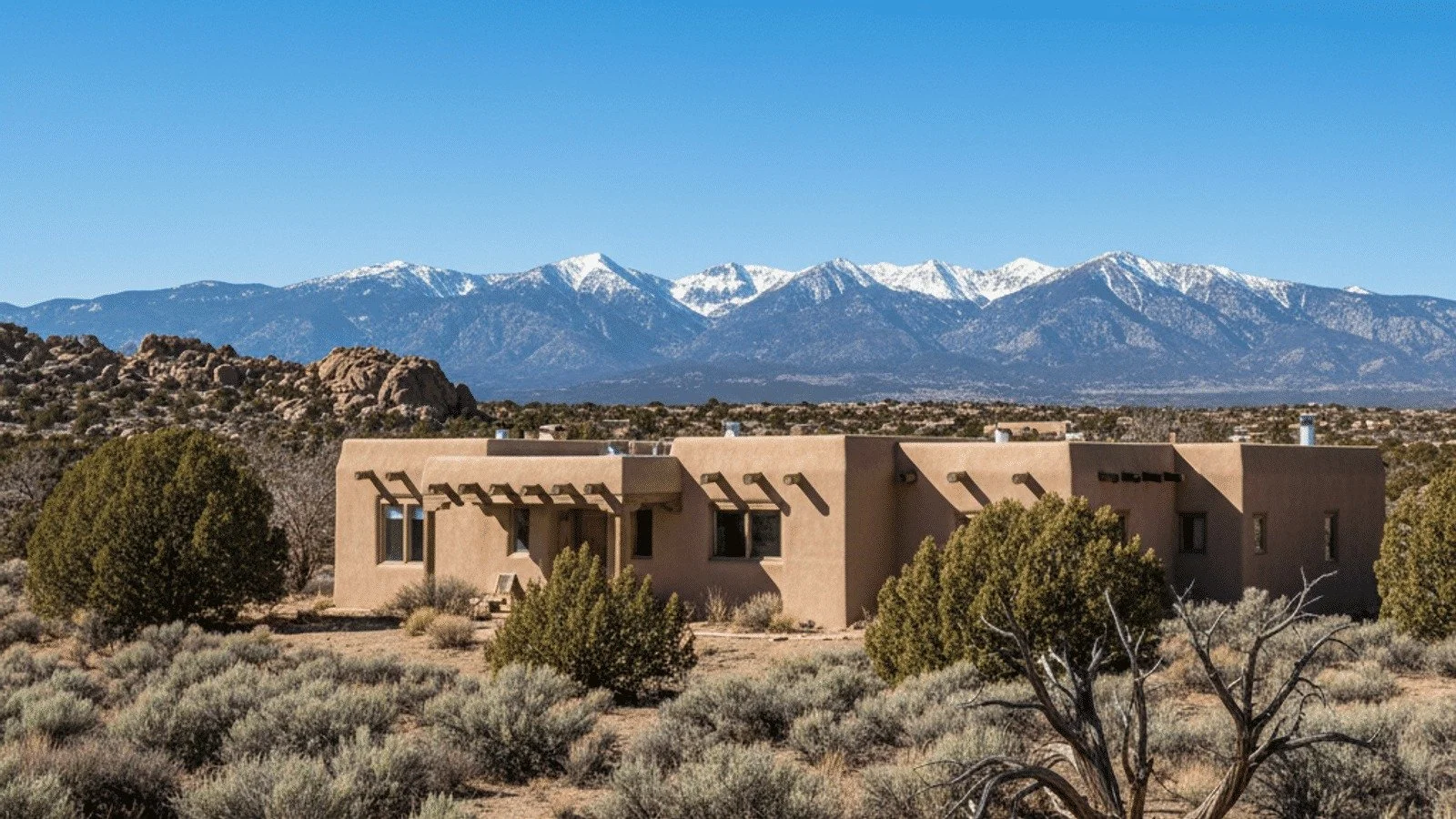
Living in Santa Fe is a dream for many. We have the culture, the incredible high-desert landscape, and a lifestyle you just can’t find anywhere else. But if you are currently renting and looking to buy your first home here, you have probably noticed that the "City Different" also comes with a different kind of price tag. It is easy to look at the median home prices—which often hover between $500,000 and $600,000—and feel like the door is closed.
Here is the good news that doesn't always make the headlines: Santa Fe has some of the most robust first-time home buyer programs in the country. While the sticker price can be intimidating, the local support network is designed specifically to bridge the gap for locals who live and work here.
If you are ready to stop renting and start building equity, you need a strategy that fits this unique market. We are going to walk through how to finance a home, where to look for attainable inventory, and how to navigate a buying process that has a few local quirks you won't find in other cities.
Santa Fe Real Estate Market: What Beginners Need to Know
Before we dive into money, let's look at what is actually happening on the ground. When we talk about "entry-level" homes in Santa Fe, we are usually looking at the $350,000 to $500,000 price range. That might sound high compared to other parts of New Mexico, but in our local market, that is the sweet spot for starter homes.
Inventory in this price bracket is tight. While the luxury market for vacation homes sometimes slows down, affordable homes for sale in Santa Fe move incredibly fast—often going under contract in less than 30 days. You are not just competing with other first-time buyers; you are often competing with downsizers and investors.
You will also see a mix of property types that you might not expect. In this price range, you will find traditional frame-construction homes, manufactured homes on permanent foundations, and condos. You might even find older adobe homes, though they often require more maintenance. Understanding these options early helps you move quickly when the right property pops up in current Santa Fe market trends.
First-Time Home Buyer Programs in Santa Fe & New Mexico
This is the most important section for most new buyers. If you don't have a massive down payment saved up, that is okay. New Mexico and Santa Fe specifically have incredible organizations dedicated to helping you buy.
New Mexico Mortgage Finance Authority (MFA): The MFA is a state-level powerhouse. They offer the "FirstHome" program, which provides competitive interest rates specifically for first-time buyers. They can pair this with "FirstDown," a down payment assistance program that provides a second loan to cover your down payment and closing costs. For buyers with lower income levels, the "HomeNow" program can offer even better terms. Their minimum credit score requirement is typically around 620, making it accessible for many.
Homewise: You cannot talk about Santa Fe real estate without mentioning Homewise. They are a local non-profit that does everything under one roof: financial coaching, lending, and real estate services. Their model is unique because they focus on long-term affordability. They often require you to complete financial fitness classes, which is time well spent because it prepares you for the reality of ownership.
Santa Fe Community Housing Trust: This organization uses a "land trust" model to make homes affordable. Essentially, you buy the house, but the Trust retains ownership of the land underneath it, which you lease for a nominal fee. This arrangement drastically lowers the purchase price, often making homeownership possible for those who thought they were priced out.
City and County Assistance: Depending on your income relative to the Area Median Income (AMI), you might qualify for local government grants or deferred loans. Santa Fe County, for instance, has programs that can offer significant funds—sometimes up to $20,000—to help with down payments, often structured as loans you don't have to pay back unless you sell or refinance.
Understanding the Costs: Upfront and Monthly
It is easy to fixate on the list price, but your actual budget depends on the upfront cash you need and your monthly output. Let’s break down what that check looks like.
The Down Payment: Forget the myth that you need 20% down. Most first-time buyers in Santa Fe use Conventional loans with as little as 3% down, or FHA loans at 3.5% down. If you are a veteran, VA loans often require 0% down.
Closing Costs: In New Mexico, closing costs usually run about 2% to 5% of the purchase price. This covers things like title insurance, loan origination fees, and pre-paid items. Who pays for what—like the title policy or inspections—is negotiable, but in a seller's market, you should be prepared to cover your share.
Property Taxes and HOAs: One huge benefit of buying here is that New Mexico has very low property tax rates, typically between 0.6% and 0.8% of the home's value. For example, on a $450,000 home, your annual taxes might only be around $2,500 to $3,500. However, many starter neighborhoods in Santa Fe, like Rancho Viejo or Nava Ade, have Homeowners Association (HOA) fees. These cover common areas, trails, and sometimes community centers. You need to factor that monthly fee—which can range from $50 to over $150—into your mortgage calculator to get your true monthly payment.
Best Santa Fe Neighborhoods for First-Time Buyers
Finding a home is often about knowing where to look. While the historic Eastside is likely out of budget, the "Southside" of Santa Fe has blossomed into a vibrant area with newer infrastructure, shopping, and the bulk of the city's attainable housing.
Tierra Contenta: This master-planned community was specifically designed for affordability. It offers a mix of housing styles and has an excellent network of trails and parks. It is very close to schools and the library, making it a practical choice for many buyers.
Airport Road Corridor: The areas branching off Airport Road are the hub of new development. This is where you will find the highest inventory of entry-level homes. It is convenient for shopping and offers quick access to 599 for commuters heading to Los Alamos or Albuquerque.
Rancho Viejo: If you have a bit more room in your budget, Rancho Viejo offers a distinct "village" feel. It is known for its extensive walking trails (over 50% of the land is preserved open space) and defined architectural style. It feels a bit more upscale but still offers townhomes and smaller single-family homes that are reachable for some first-time buyers.
Nava Ade: Situated near the entrance of town, Nava Ade is popular for its community amenities, including a pool and gym/clubhouse. It has great access to I-25, which is perfect if you commute out of town for work.
If you need more space or lower prices, looking at outlying areas like Agua Fria or even slightly north in Pojoaque can yield better value, though the commute changes.
Step-by-Step Guide to Buying in Santa Fe
The process here is a little different than just clicking "buy" online. Here is how a typical successful transaction flows.
Step 1: Education & Counseling: Before you even look at houses, get in touch with Homewise or a lender who works with MFA. Taking a homebuyer education class is often a requirement for the assistance programs mentioned earlier.
Step 2: Pre-Approval with a Local Lender: This is critical. Santa Fe properties can be weird—shared wells, adobe issues, land trusts. National online lenders often get stuck on these details. A local lender knows exactly how to navigate MFA paperwork and local title issues, ensuring you don't lose a deal because the bank didn't understand the market.
Step 3: The Search: Set realistic expectations. In the entry-level tier, you might have to choose between location and condition. You might find a fixed-up home in a busier area, or a home that needs work in a quieter cul-de-sac.
Step 4: Making an Offer: When you find the right one, move fast. Your agent will help you draft an offer that is clean and competitive. In this price range, "clean" usually means not asking the seller for too many unusual concessions.
Step 5: Inspections: Never skip inspections, especially here. You need to check the stucco, the roof (flat roofs need regular maintenance), and the sewer lines. In older adobe homes, checking for "vigas" (ceiling beams) condition and water intrusion is standard due diligence.
Common Challenges and How to Overcome Them
It is not always smooth sailing, but knowing the hurdles helps you jump them. The biggest challenge is the inventory shortage. You might put in offers on three houses before you get one. Patience and persistence are key.
Maintenance is another reality check. "Santa Fe Style" homes require care. Flat roofs need to be swept and recoated periodically, and stucco can crack in our freeze-thaw cycles. You should budget about 1% of your home's value annually for maintenance.
Finally, rising interest rates have impacted affordability. However, many local lenders are using temporary rate buy-downs or Adjustable Rate Mortgages (ARMs) to help buyers get into a home now, with the plan to refinance if rates drop later.
Frequently Asked Questions
What is the minimum down payment for a house in Santa Fe?
You do not need 20% down. Most first-time buyers use FHA loans requiring 3.5% down or conventional loans requiring as little as 3% down. If you qualify for MFA or Homewise programs, you might even get down payment assistance that covers most of that upfront cost.
Does Santa Fe have specific grants for first-time buyers?
Yes, there are several, but they are often structured as deferred loans rather than simple cash grants. Programs through the Santa Fe Community Housing Trust, Homewise, and MFA can provide significant funds to cover down payments and closing costs, usually based on your income level.
Is it better to buy a condo or a house for a first home in Santa Fe?
This depends on your lifestyle and budget for maintenance. A condo usually has a higher monthly HOA fee, but it covers exterior maintenance like the roof and stucco, which can be a relief for a first-time owner. A single-family house gives you more privacy and no shared walls, but you are 100% responsible for all repairs.