
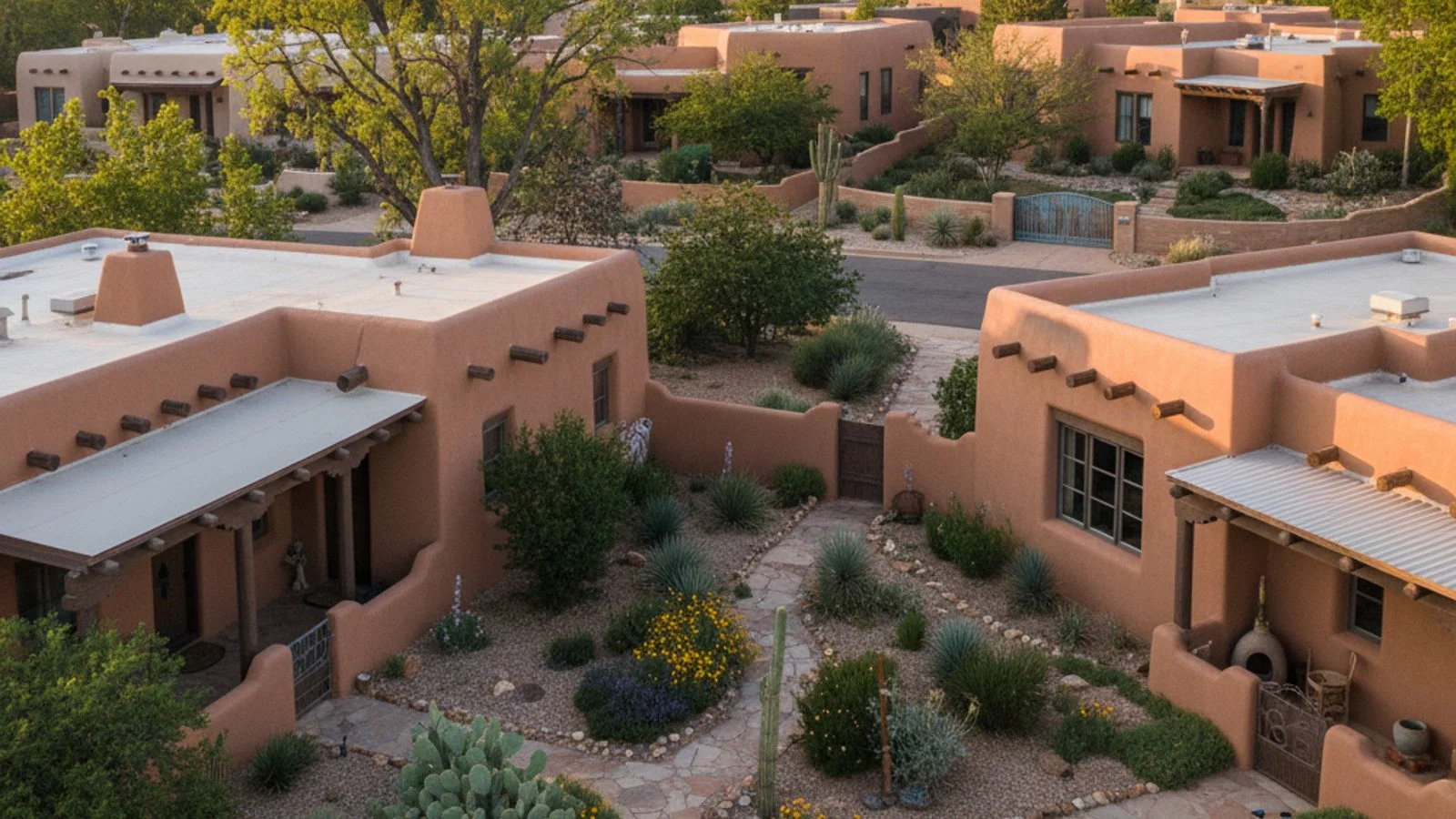
Preparing to list a property in the City Different means more than just staging rooms and scheduling photography. When you put a home on the market, you carry a legal responsibility to inform potential buyers about the true condition of the property. Navigating seller disclosures in santa fe nm requires an understanding of both state laws and the unique architectural quirks of the region.
Buyers are looking for transparency before they commit to a purchase that easily exceeds an approximate $600,000 in today's local market. Providing an accurate, thorough history of your property protects the buyer from unexpected surprises. More importantly, it shields you from post-sale legal liability that could cost thousands in court fees or repair demands.
Understanding New Mexico Real Estate Disclosure Laws
State statutes require property owners to disclose any known adverse material facts before a transaction is finalized. A material fact is generally defined as any defect or issue that significantly affects the property's value, structural integrity, or poses a health risk to occupants. If you know about a foundation crack or a persistent plumbing leak, you are legally bound to document it.
Real estate agents facilitate this process using the New Mexico Association of Realtors (NMAR) Property Disclosure Statement. This standardized form walks you through various systems of the home, prompting you to answer yes, no, or unknown regarding specific conditions. Taking the time to fill this out accurately is one of the most important steps in your selling journey.
Once you provide these documents, buyers typically have an inspection period lasting 10 to 14 days to verify the claims. Being upfront on the NMAR form builds trust and prevents deals from falling apart when the inspector inevitably finds the same issues. A transparent approach always leads to a smoother closing process.
Crucial Disclosure Items for Santa Fe Properties
Selling a home in this region comes with specific architectural and historical considerations that you simply will not find in other housing markets. Buyers drawn to homes for sale in Santa Fe often seek authentic Southwestern charm, but they need to know exactly what it takes to maintain that property. Documenting the reality of living in a traditional property is crucial for a compliant sale.
If your property is located within one of the designated historic districts, this status must be clearly communicated to prospective buyers. Historic district regulations impose strict rules on exterior modifications, remodeling projects, and even window replacements. Failing to mention these restrictions can blindside a buyer who plans to renovate, leading to swift legal disputes.
Beyond zoning and historic rules, the physical materials used in local construction require thorough documentation. Buyers need a clear picture of the maintenance history to understand their future financial commitments.
Documenting Roofs, Stucco, and Adobe Conditions
Traditional building styles are beautiful, but they demand ongoing care that out-of-state buyers might not anticipate. You must detail the age and maintenance history of these specific structural elements to avoid claims of misrepresentation.
When filling out your disclosure forms, pay special attention to these local features. Accurately describing their condition prevents disputes during the inspection phase:
Flat roofs: Note the material used, such as tar and gravel or elastomeric coatings, and disclose any history of water pooling or active leaks. Many flat roofs require professional maintenance every one to three years.
Stucco exteriors: Clearly state whether the home has synthetic or traditional stucco, and document any underlying moisture damage or major patching.
Adobe construction: Disclose any known structural settling, cracking, or erosion specific to true adobe walls.
Vintage systems: Mention any historical updates to the plumbing and electrical systems, especially in older properties where outdated wiring might pose a safety risk.
Providing a clear timeline of recent maintenance work protects you from liability. It also reassures the buyer that the home has been actively cared for over the years.
Water Rights and Well Sharing Agreements
Properties located in rural and semi-rural parts of Santa Fe County often rely on private water sources rather than municipal connections. If your home uses a private well, you must provide documentation on the operational status of the equipment and the depth of the well. Buyers also need to know if the property is connected to a shared community well.
Well sharing agreements dictate maintenance costs, usage limits, and legal access rights among neighbors. You should disclose any specific water rights attached to the land, as well as any known restrictions on water usage. Providing these documents early prevents delays when the buyer's lender inevitably asks for well certifications.
Age-Related and Federal Disclosures
Because the local housing inventory includes a vast number of older, historic homes, sellers frequently encounter age-related federal requirements. The most prominent of these is the federal mandate regarding lead-based paint. If your home was built before 1978, you must provide a specific disclosure form and an EPA-approved informational pamphlet to the buyer.
This rule applies even if you have completely remodeled the interior or believe all original paint has been removed. You must disclose any known lead-based paint hazards and provide any records or reports pertaining to lead testing on the property. Compliance with this 1978 threshold is non-negotiable and federally enforced.
The Timeline for Providing Disclosures to Buyers
Timing is everything in a real estate transaction, and disclosure documents are not something you can leave for the closing table. Prospective buyers should receive the completed NMAR disclosure form before or at the time they present an offer. Reviewing this information allows them to make an informed financial decision based on the current state of the property.
Delivering the paperwork early sets clear expectations and prevents buyers from using newly revealed defects as leverage to renegotiate the price later. If you provide the disclosures upfront, the buyer's initial offer already accounts for the known condition of the home. This strategy significantly reduces the chances of a canceled contract during the inspection phase.
Your duty to disclose does not end once the buyer signs the initial contract. If you discover a new material defect or if a property system breaks down prior to closing, you must promptly update the disclosure statement in writing. Keeping the buyer informed right up until the keys are handed over is a strict legal requirement.
Legal Implications of Failing to Disclose
Withholding known material defects from a buyer is a dangerous gamble that rarely works out in the seller's favor. Intentional omission can lead to severe legal liability long after the moving trucks have left. Buyers who discover hidden damage can file lawsuits against you for breach of contract, misrepresentation, or outright fraud.
If a buyer uncovers an undisclosed material fact during their routine home inspection, they have the legal right to cancel the purchase agreement immediately. They can walk away with their earnest money, leaving you to put a stigmatized property back on the market. A failed transaction hurts your listing history and extends the time it takes to sell.
The financial risks extend well beyond a canceled sale. If you successfully hide a defect and the buyer discovers it months later, a court can hold you liable for their future repair costs. Paying for a major plumbing overhaul or an approximate $30,000 roof replacement out of pocket is a harsh penalty for failing to check a box on a form.
What You Are Not Required to Disclose in New Mexico
While physical defects must be rigorously documented, state law provides clear boundaries regarding what personal or historical information can remain private. Section 47-13-2 of the New Mexico Statutes specifically protects sellers from having to disclose certain non-physical property stigmas. This exemption ensures you do not have to share sensitive historical events that do not affect the structural integrity of the home.
Under these protections, you are not legally required to disclose if the property was the site of a natural death, a suicide, or a felony crime. Buyers often ask neighbors about the history of a home, but as the seller, you carry no statutory obligation to volunteer this information. The law firmly separates the physical condition of the real estate from the personal history of its former occupants.
Additionally, sellers are explicitly protected from disclosing if a previous occupant was diagnosed with HIV or AIDS. This rule aligns with federal fair housing guidelines and protects the medical privacy of former residents. Knowing what you can legally keep to yourself is just as important as knowing what you must reveal.
Frequently Asked Questions
Is New Mexico a non-disclosure state for real estate?
Yes, New Mexico is a non-disclosure state, but this only applies to the final sale price of the home, not the physical condition. You are not required to report an approximate $750,000 closing price to the county assessor for public record. However, you are still strictly mandated to disclose any known physical defects or material facts to the buyer.
Do I need to disclose past repairs that have been fully fixed?
Yes, you should disclose historical issues like old roof leaks or foundation fixes even if they have been completely resolved. Providing a record of an approximate $5,000 professional stucco repair shows the buyer that you have proactively maintained the home. Transparency about past repairs builds buyer confidence and prevents misunderstandings if an inspector notices the patched area.
What happens if a home inspection reveals a defect I genuinely didn't know about?
You are not legally liable for failing to disclose a defect that you truly had no knowledge of prior to the inspection. If an inspector finds a hidden electrical issue behind the drywall, the buyer can request a repair or a credit, often around $1,000 to $2,000, to fix it. You only face legal penalties for intentionally hiding or misrepresenting adverse material facts that you knew existed.