
When people think of Santa Fe, they often picture the bustling Plaza or the galleries of Canyon Road. But just a few miles southeast, rising above the city dust, lies an area that offers a completely different perspective on high-desert living. Museum Hill isn't just a destination for tourists clutching guidebooks; it is one of the most prestigious residential districts along the Old Santa Fe Trail corridor.
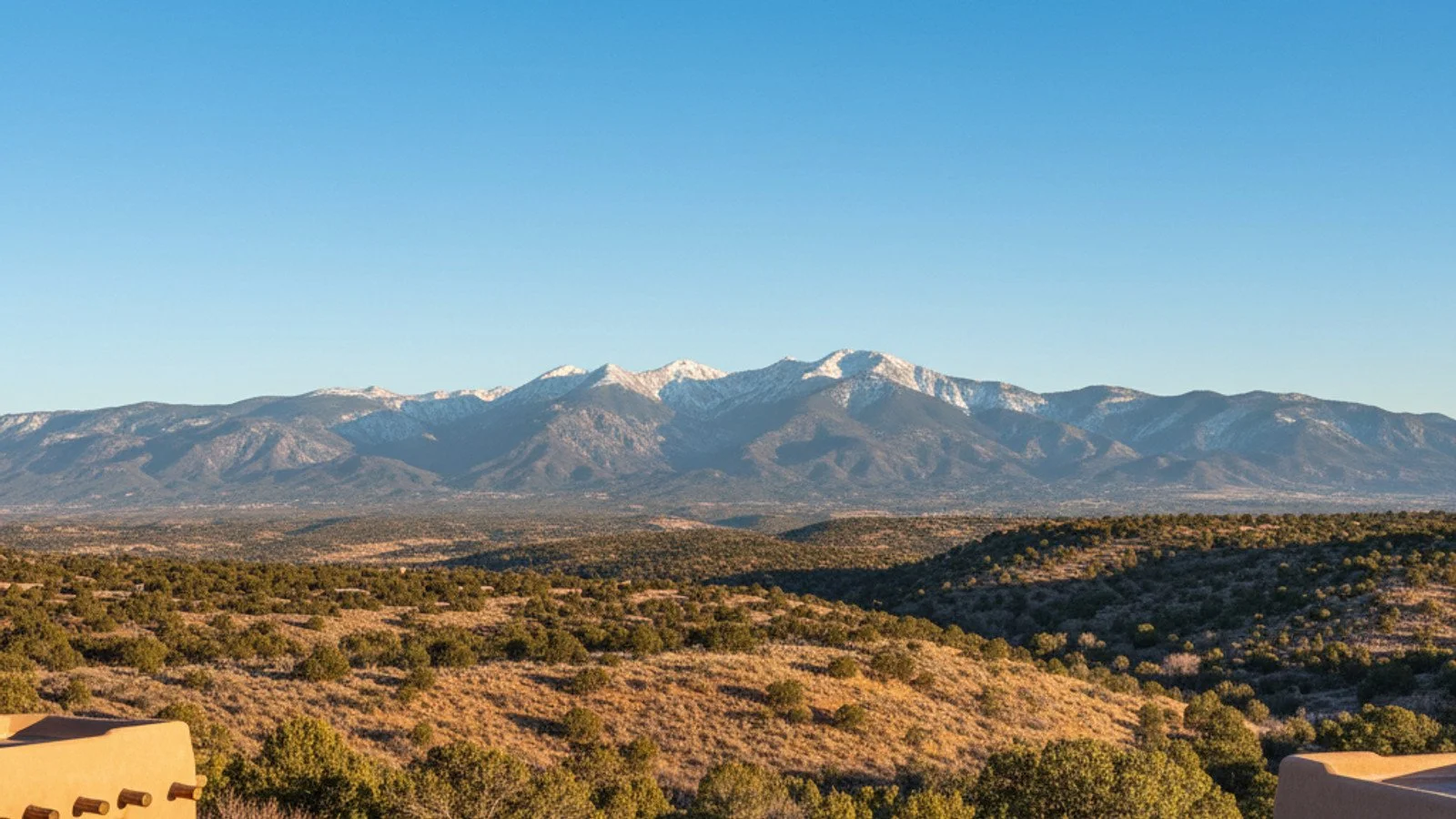
For those considering a move here, the appeal goes far beyond the "big four" museums and the botanical garden that anchor the neighborhood. It’s about the elevation. Living here means your daily backdrop often includes sweeping panoramic views of the Sangre de Cristo Mountains and the badlands to the north. It is a transition zone where the historic density of downtown gives way to winding roads, piñon-studded lots, and a profound sense of quiet. If you are looking at Santa Fe luxury neighborhoods, Museum Hill offers a rare blend of world-class culture and residential privacy.
The Cultural Anchors: Living Next to Masterpieces
Living on Museum Hill is a bit like having the Smithsonian in your backyard, but with better weather and Adobe architecture. The institutions here define the neighborhood’s character, serving as community hubs where residents can attend lectures, enjoy member-only openings, or simply take a quiet morning walk through curated gardens. It transforms the concept of things to do in Santa Fe from a weekend itinerary into a daily lifestyle.
Museum of International Folk Art
This is a neighborhood pride point. Holding the world’s largest collection of folk art, this museum brings global color to the high desert. For residents, it’s a constant source of inspiration, offering rotating exhibits that ensure there is always something new to see just minutes from your front door.
Museum of Indian Arts & Culture
Focusing deeply on the Southwest Native peoples, this institution is vital for understanding the land you live on. It connects the history of the region with contemporary Native life. The outdoor sculpture gardens here are particularly peaceful spots for contemplation away from the city crowds.
Nuevo Mexicano Heritage Arts Museum
Longtime locals and repeat visitors might remember this as the Museum of Spanish Colonial Art. It was rebranded in 2024 to the Nuevo Mexicano Heritage Arts Museum, but the soul of the place remains. Housed in a stunning building designed by legendary architect John Gaw Meem, it is a masterclass in the Santa Fe architecture styles that influence the surrounding homes.
Wheelwright Museum of the American Indian
The Wheelwright stands out for its unique focus on contemporary Native art and its distinct octagonal architecture, inspired by a Navajo hogan. It feels intimate and personal, often hosting shows that challenge conventional expectations of Native art.
Santa Fe Botanical Garden
Think of this as the neighborhood’s collective garden. It is perfect for tracking the seasons, from the first blooms of spring to the stark beauty of winter. Many locals use the garden trails for their daily exercise, enjoying the "Ojos y Manos" section which explores the intersection of nature and human creativity.
Museum Hill Real Estate: Views, Architecture, and Value
The real estate market here is distinct from the rest of the city. While you can find pockets of varying styles, the area is dominated by Pueblo Revival and Territorial designs that adhere to strict covenants. These rules are there for a reason: they protect the view corridors that give property here its immense value. Unlike the tighter lots downtown, homes on Museum Hill are often sited on hillsides or larger parcels to frame the Jemez and Sangre de Cristo mountain views perfectly.
Price-wise, this is firmly a luxury market. While the broader Santa Fe median home price might hover around the $600K to $800K mark, properties in this specific pocket typically start at $1M and can easily climb to $3M or more. You are paying for the stability of the neighborhood—anchored by state-funded museums that prevent over-commercialization—and the prestige of the address.
The housing stock is a fascinating mix. You might find a mid-century modern build influenced by the John Gaw Meem aesthetic sitting just down the road from a newer, custom-built estate. Because it sits along the Old Santa Fe Trail, the area feels connected to history without being stuck in it. If you are interested in Santa Fe historic homes but want modern amenities and room to breathe, this district is often the sweet spot.
Lifestyle & Amenities: The Convenience Factor
One of the most common questions I get from buyers is about the practical side of living "up on the hill." It feels removed, but that’s by design. The convenience factor here is surprisingly high, especially if you value a slower pace.
For a sophisticated lunch or a mid-day coffee meeting, Weldon's Museum Hill Café is essentially the neighborhood clubhouse. Open for lunch Tuesday through Sunday from 11 AM to 3 PM, it offers incredible views and a menu that feels special enough for guests but casual enough for a regular Tuesday. It’s a great asset to have within walking distance.
Outdoor access is another major perk. You have direct connectivity to walking paths that link the museums, and you are right on the doorstep of the Dale Ball Trails system for serious hiking and mountain biking. It’s effortless to go from your living room to a trail without ever getting in a car. Santa Fe hiking trails are world-famous, and living here puts you at the trailhead.
It is also worth noting the shift in local events. For years, the International Folk Art Market brought thousands of people to the hill every July. That event has moved to the Santa Fe Railyard Park to better accommodate the crowds. For residents, this is actually a win-win: you get the quiet streets back during the summer, but the hill still hosts smaller, more intimate jazz nights, lectures, and openings that foster a real sense of community. Plus, you are only about two miles from the Plaza and Canyon Road, making it a quick drive to the best restaurants in Santa Fe whenever you want a night out.
Who Calls Museum Hill Home?
The demographic here is defined more by lifestyle choice than anything else. It attracts people who are seeking quietude and deep cultural immersion. You won't find the late-night noise of downtown, which makes it perfect for those who prioritize tranquility.
It is a very popular area for second-home owners who want "lock-and-leave" security. The neighborhood is established and watchful, providing peace of mind when you are away. We also see many retirees and remote workers choosing this area. The inspiring landscape provides a perfect backdrop for a home office, and the proximity to the city center allows for easy engagement when the workday is done. It’s a community where privacy is respected, but shared interests in art and nature create natural connections among neighbors.
Frequently Asked Questions About Living Near Museum Hill
How far is Museum Hill from the Santa Fe Plaza?
It is approximately two miles from Museum Hill to the Santa Fe Plaza. While it is technically walkable for fit hikers or those looking for a workout, the return trip is uphill; most residents drive, take a ride-share, or use the local shuttle system for errands.
Do I need a car to live on Museum Hill?
Generally, yes. While the area offers beautiful walking paths and trail access for recreation, it is a car-dependent luxury area for grocery shopping and daily errands. However, the drive is short, scenic, and rarely congested compared to other cities.
What happened to the Museum of Spanish Colonial Art?
The museum is still there and thriving, but it was rebranded in 2024 as the Nuevo Mexicano Heritage Arts Museum. The name change reflects a broader commitment to the diverse heritage arts of the region, though the location and the historic John Gaw Meem building remain the same.
Is the International Folk Art Market still on Museum Hill?
No, the International Folk Art Market (the large summer event) moved to Santa Fe Railyard Park in 2023 to handle larger crowds and improve accessibility. However, the Museum of International Folk Art itself remains a permanent fixture on the hill and is open year-round.