
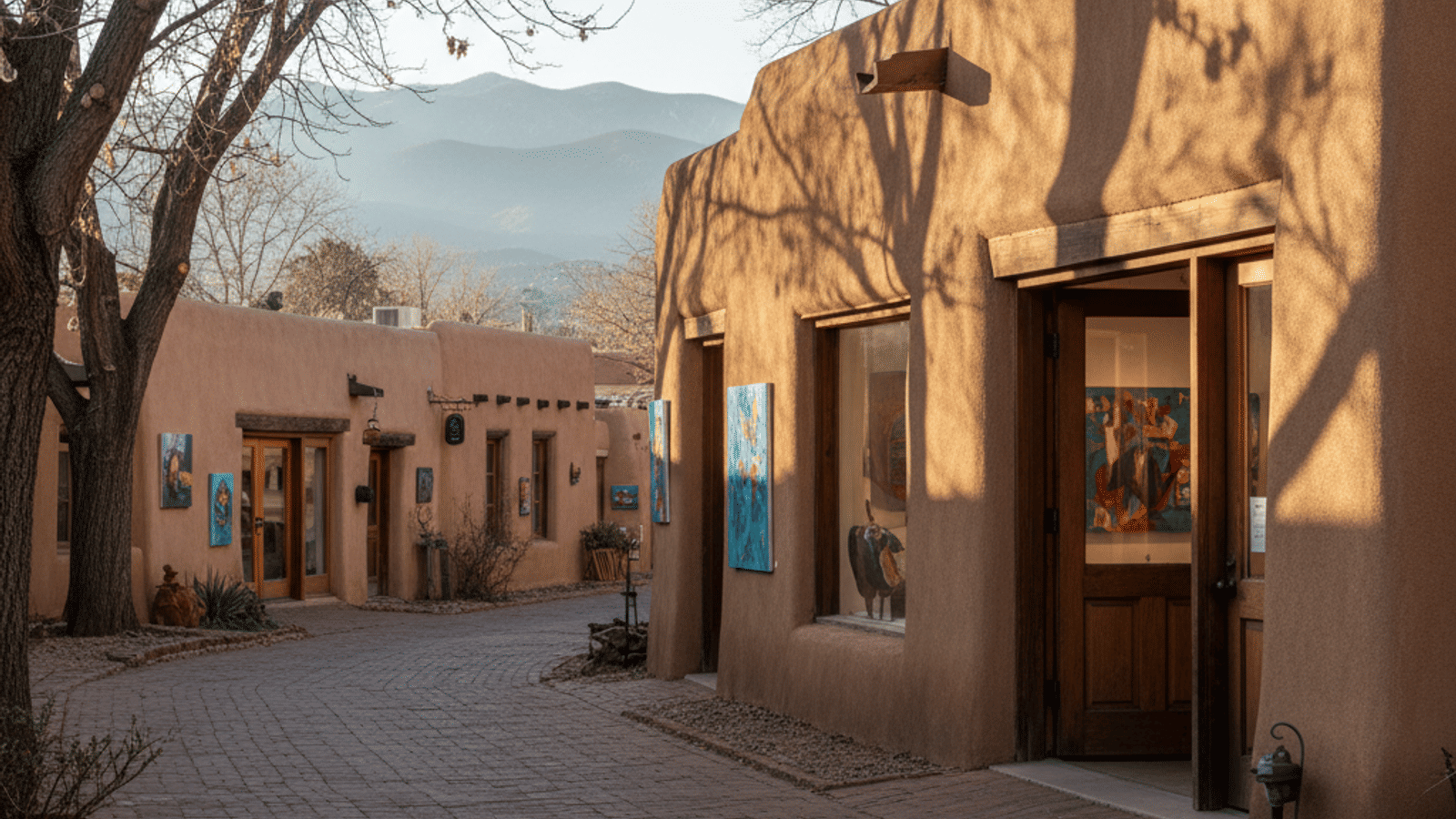
If you are thinking about moving to Santa Fe, you might have a specific image in mind: art galleries on Canyon Road, vibrant sunsets, and perhaps a slower pace of life. While that is all true, the economic reality here is surprisingly dynamic. It is now February 2026, and the job market in Santa Fe has evolved into something quite distinct from the rest of New Mexico. We aren't just a tourist town anymore - though hospitality is still huge - we are a hub for government, specialized healthcare, and high-level science.
Currently, the local unemployment rate is hovering around a very low 3.5%, which is tighter than the national average. For job seekers, this is generally good news. It means employers in key sectors are actively looking for talent. However, it is important to understand that Santa Fe is a niche market. Unlike Albuquerque, which has a broader industrial and corporate base, Santa Fe’s economy is specialized.
The outlook for 2026 remains steady, particularly if you are in technical fields or healthcare. We are seeing continued growth driven by state and federal spending, alongside a tourism sector that has fully found its footing again. If you are planning on living in Santa Fe, understanding where these opportunities lie is the first step to making the math work.
Top Industries Driving Santa Fe's Economy
When we look at what pays the bills in this city, the economy really stands on four main pillars. It is a unique mix that you don't find in many other state capitals of this size.
Government and Stability
First and foremost, Santa Fe is the state capital. The State of New Mexico is a massive anchor here. State jobs offer a level of stability and benefits that are hard to beat, even if the hiring process can be a bit bureaucratic. From administrative roles to specialized policy positions, the public sector provides a steady heartbeat for the local job market.
The "Los Alamos Effect" in Science & Tech
You cannot talk about the Santa Fe economy without talking about "The Hill." Los Alamos National Laboratory (LANL) might be a 45-minute drive away, but its economic footprint in Santa Fe is gigantic - estimated at over $515 million annually. A significant number of the lab’s scientists, engineers, and support staff choose to live here for the lifestyle and commute up to the lab. This influx of high-earning professionals supports a lot of the local service economy.
Healthcare Services
With a demographic that leans slightly older than the national average, healthcare is a critical and booming industry here. Christus St. Vincent Regional Medical Center is a major employer, but there is also a wide network of private practices, specialists, and urgent care facilities. The demand for qualified nurses, doctors, and technicians is constant.
Tourism, Arts, and Film
Roughly 1 in 10 jobs here are connected to the arts or cultural activities. Hospitality remains the largest private-sector employer, ranging from luxury hotels to our famous restaurant scene. Additionally, New Mexico’s tax incentives keep the film industry active. It is not uncommon to see production crews setting up around town, bringing temporary but lucrative work for technicians and creatives.
Major Employers in Santa Fe & The Region
If you are polishing your resume, it helps to know exactly who is signing the paychecks. The landscape is a mix of public institutions and very specific private entities.
Public Sector: The biggest players are the State of New Mexico, the City of Santa Fe, and Santa Fe Public Schools. These three entities alone employ thousands of residents. If you have a background in education or public administration, this is your primary target.
Private and Non-Profit: Christus St. Vincent is the heavyweight in the private sector. On the creative side, Meow Wolf has grown from an art collective into a major employer offering jobs that blend art, tech, and operations. You also have high-end hospitality groups like Rosewood (Inn of the Anasazi) and the Four Seasons Resort Rancho Encantado, which are always staffing for service and management roles.
Regional Commuter Hubs: As mentioned, Los Alamos National Laboratory (LANL) is effectively a local employer because so many of its staff call Santa Fe home. It’s a regional powerhouse for STEM jobs.
Retail: While we have the standard big-box presence you would expect, Santa Fe prides itself on a thriving independent business community. Local boutiques and galleries are significant employers here, distinct from the national chains.
Salaries vs. Cost of Living: The "Sunshine Tax"
This is the part of the conversation where we have to be realistic. We often call the gap between wages and expenses the "Sunshine Tax" - the price you pay for the privilege of living in such a beautiful place.
Housing costs are the biggest hurdle for newcomers. The median home price here sits between $530,000 and $650,000 depending on the neighborhood, which is significantly higher than the New Mexico average. Consequently, the overall cost of living in Santa Fe is about 18% higher than the national average, driven almost entirely by real estate.
If you are working in the service or retail sectors, wages often struggle to keep up with rent, even though the local minimum wage is higher than the federal standard. However, for professionals in the specialized sectors we discussed - like those commuting to LANL or working in specialized healthcare - salaries are often robust enough to manage these costs comfortably, frequently exceeding $100,000.
When you are calculating your budget, it is smart to look closely at the cost of living in Santa Fe regarding utilities and groceries as well, though housing remains the main outlier.
Remote Work and the Creative Economy
Santa Fe has quietly become a haven for digital nomads and remote workers. If you can bring your job with you, the lifestyle here is hard to beat.
We have a high concentration of freelancers, consultants, and self-employed creatives who work from home or local coffee shops. Thanks to recent infrastructure improvements funded by programs like BEAD, high-speed internet is reliable even in some of the more semi-rural outskirts of town.
This shift has fostered a growing coworking culture, making it easier to find community even if you don't have a traditional office. For many remote workers, the trade-off of higher housing costs is worth it for the immediate access to hiking trails, a world-class food scene, and the rich cultural history that surrounds you every day.
Commuting Patterns: The Rail Runner and LANL Bus
Unless you work remotely or right downtown, you will likely be commuting. The good news is that "traffic" here is generally mild compared to major metros, though rush hour on Cerrillos Road and St. Francis Drive can definitely slow you down.
To Los Alamos: A large chunk of our workforce heads "up the hill" to the Lab every morning. It is a beautiful but winding drive. Many locals prefer the Park-and-Ride bus options. It saves gas, saves stress, and lets you catch up on emails (or sleep) during the 45-minute trip.
To Albuquerque: We also see a lot of dual-commuter households where one partner works here and the other in Albuquerque. The New Mexico Rail Runner Express is a commuter train that connects the two cities. The ride takes a little over an hour, but it is scenic and reliable. It’s a viable option if you want to explore the best neighborhoods for commuters near the deeper south side of town or close to the depots.
How to Land a Job in Santa Fe
Finding a job here requires a mix of digital savvy and old-school networking. Santa Fe is still very much a "who you know" town.
Networking is Key: Don't just rely on online applications. Join local industry groups or the Chamber of Commerce. Showing up to events and meeting people face-to-face goes a long way here.
Where to Apply:
State Jobs: Go directly to the New Mexico State Personnel Office (SPO) website.
LANL: Their careers page is the only way in; third-party sites often have outdated listings.
Local Services: Indeed is widely used here for hospitality, retail, and trade jobs.
Skills in Demand: If you have healthcare certifications, you will likely find work quickly. Bilingual abilities (English/Spanish) are highly valued across all sectors, from government to banking. STEM qualifications are obviously gold standard due to the Lab's influence.
Patience Required: If you are applying for state or federal roles, prepare for a wait. The hiring process can take months, not weeks. It is best to start applying well before you plan on moving to Santa Fe.
Frequently Asked Questions
Is it hard to find a job in Santa Fe?
It depends heavily on your industry. If you are in healthcare, technical fields, or hospitality, the market is very active and favorable. However, general corporate middle-management roles are fewer here than in larger cities like Albuquerque or Phoenix.
What is a good salary to live in Santa Fe?
To live comfortably and buy a home in the current market, a household income of $100,000 to $120,000 is a safe benchmark. You can certainly live on less, especially if you rent or live further out, but the high housing costs make a higher salary necessary for financial freedom.
Who is the largest employer in Santa Fe?
The State of New Mexico is the largest employer within the city itself. However, in terms of regional economic impact and total employment affecting Santa Fe residents, Los Alamos National Laboratory is a massive contender.
Can I live in Santa Fe and work in Albuquerque?
Yes, many people do this. The commute is about 60 to 75 minutes by car or train (Rail Runner). It is a popular choice for couples where one works in the capital and the other works in the larger Albuquerque metro area.