
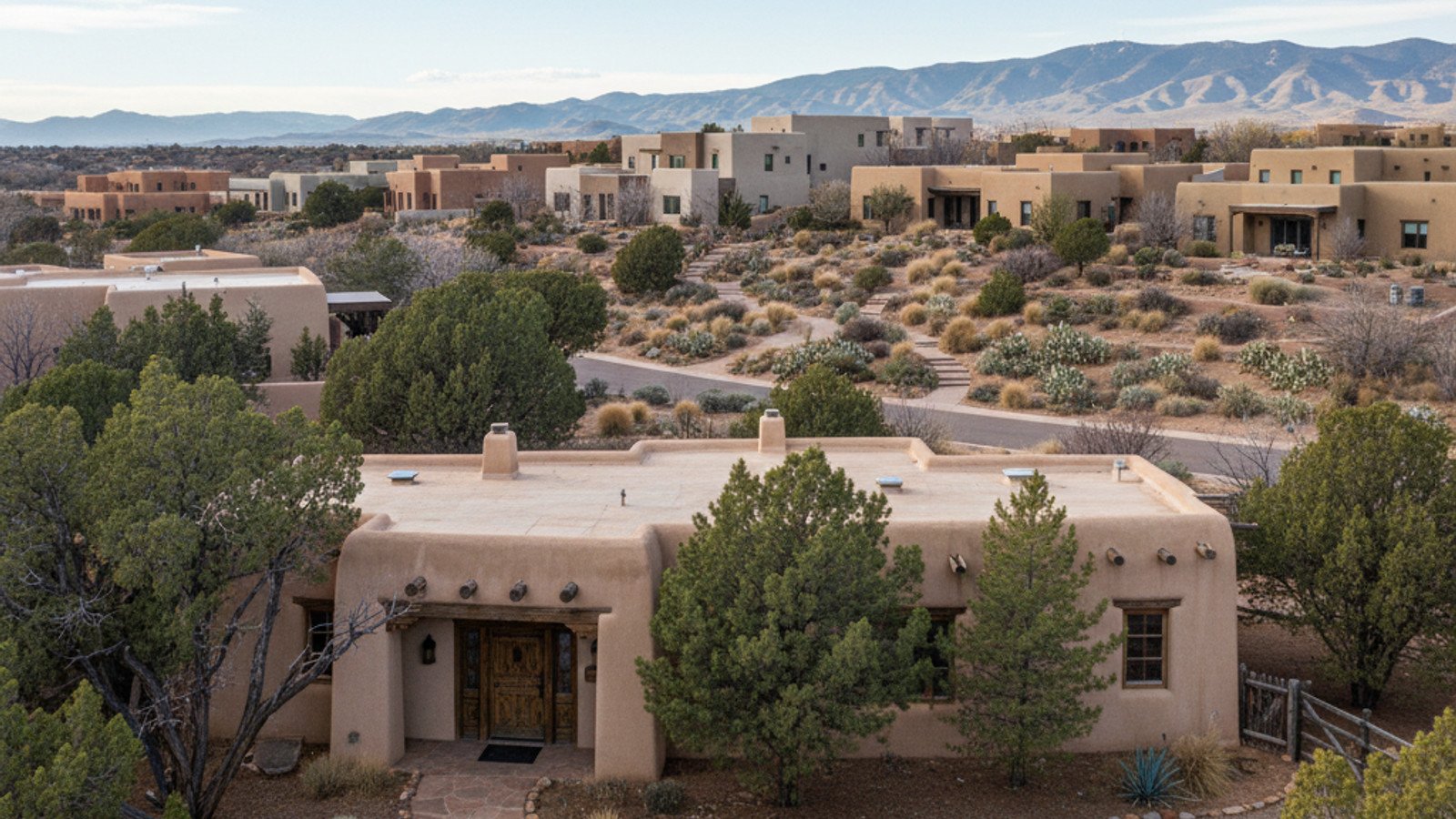
The Santa Fe, NM housing market has stabilized after several years of sharp price increases. Buyers entering the area this spring will find a different landscape than they would have encountered in recent years. Real estate trends now point toward a more sustainable pace of sales.
With approximately 4.5 months of inventory available, purchasers have more leverage. You can view multiple properties and negotiate terms without the immediate pressure of bidding wars. Sellers are adjusting to this reality by focusing on proper pricing strategy from day one.
Local market data shows that careful preparation matters more than ever for new listings. Buyers are taking their time, weighing their options, and insisting on thorough inspections. Working with a knowledgeable real estate agent helps both sides understand these shifting dynamics.
The allure of Northern New Mexico continues to draw buyers from across the country. The combination of high-desert scenery, cultural history, and distinct architecture keeps buyer demand steady. Understanding the latest data is the best way to make an informed decision this year.
Current Prices and Sales Data
The median home price in the area currently sits between $545,000 and $580,000 for spring 2026. Prices rose steeply through 2024, but that trajectory has leveled off this year. This stabilization gives buyers a clearer picture of what their budget can achieve.
Inventory levels mark a clear transition toward a balanced market. The 4.5 months of available homes give buyers room to breathe and compare options. Sellers should expect their listings to face more competition from neighboring properties.
Days on market varies widely, ranging from 23 to 88 days across the county. Well-priced homes in accessible neighborhoods sell on the faster end of that spectrum. Luxury listings and properties requiring extensive repairs take longer to attract the right buyer.
Setting the right list price is the most important decision a seller can make right now. Overpriced homes tend to sit on the market and eventually require price reductions. Buyers are closely monitoring market reports and will quickly bypass properties that do not align with current sales data.
Real estate agents report that buyers are increasingly asking for seller concessions. These concessions often take the form of closing cost assistance or funding for interest rate buydowns. Sellers who remain flexible on these terms often secure faster closings.
What You Can Buy and Where
Santa Fe real estate covers a wide spectrum of architectural styles and price points. Luxury properties in central districts often push the average sale price well above the median. Buyers need to look at specific neighborhood data rather than relying solely on citywide averages.
Buyers will generally find three main categories of housing options across the city:
Historic adobe homes: These properties command a premium and sit primarily near the downtown area.
Condominiums: Smaller adobe-style units sit close to the Plaza, offering immediate access to the city center.
New construction: Modern homes are concentrated on the city outskirts, featuring updated energy efficiency and larger lot sizes.
Each of these property types moves at a different pace. A competitively priced condo will often sell faster than a large luxury estate. Buyers should align their budget with the specific sector of the market they want to target.
Those looking for lower maintenance often gravitate toward the condominium market. These properties provide a simpler lifestyle for part-time residents or those who travel frequently. Condominium associations typically handle exterior upkeep and landscaping.
Newer developments on the edges of town offer a different set of benefits. These homes frequently include modern floor plans, updated HVAC systems, and attached garages. Buyers willing to drive a few extra minutes can often secure more square footage for their money in these peripheral neighborhoods.
Fixer-upper properties provide another avenue for buyers willing to invest in renovations. Older homes outside the historic districts occasionally hit the market at lower price points. These properties require immediate capital but allow buyers to build equity through improvements.
Local Amenities and Infrastructure
Daily life in Santa Fe revolves around a few key commercial corridors. The Santa Fe Plaza serves as the central hub for retail and community events. Many residential areas sit within a short walk or drive of this central district.
Healthcare access is a primary consideration for many buyers moving to New Mexico. Christus St. Vincent Regional Medical Center provides comprehensive medical services near the center of town. Additional urgent care clinics and specialized practices operate along St. Michaels Drive.
Everyday shopping centers line Cerrillos Road. This southern corridor holds the major grocery chains, hardware stores, and general retail outlets. Residents rely on this area for bulk purchases and daily errands.
The local arts and dining scene also shapes neighborhood appeal. Galleries along Canyon Road draw international visitors and provide a unique cultural backdrop for nearby residents. Homes within walking distance of these cultural centers maintain strong buyer demand year-round.
Education and Outdoor Recreation
Students living within the city limits attend the Santa Fe Public Schools. This district manages the primary and secondary education facilities across the county. Buyers should check the district map to confirm specific school assignments for any property they consider.
Access to outdoor space is a major draw for the region. The Santa Fe National Forest borders the city to the east, providing miles of trails for hiking and mountain biking. The elevation changes offer diverse landscapes and distinct seasonal shifts throughout the year.
Within the city, public parks offer maintained green spaces for daily use. Railyard Park features walking paths, native gardens, and outdoor performance areas right near downtown. These municipal spaces give residents immediate access to the outdoors without leaving the city limits.
Proximity to these recreational areas directly impacts property values. Homes located near trailheads or established city parks often sell faster than those in purely residential grids. Buyers frequently prioritize outdoor access when selecting their preferred neighborhoods.
Commute Times and Transit Options
Many residents commute between Santa Fe and Albuquerque for work. The New Mexico Rail Runner Express provides a direct commuter train connection between the two cities. The trip takes approximately 1.5 hours each way.
A day pass for the Rail Runner costs between $10 and $11. This service helps workers bypass daily traffic on Interstate 25. The train offers a predictable schedule and free Wi-Fi for commuting professionals.
Drivers commuting by car use Interstate 25 as the primary artery between the two cities. The drive to downtown Albuquerque typically takes just over an hour under normal traffic conditions. Winter weather can occasionally slow travel times through the higher elevations.
In-town transit relies on a network of local buses. The Santa Fe Trails bus system covers the main commercial routes and residential corridors. The free Santa Fe Pick-Up shuttle loops around the downtown and Plaza areas, reducing the need for personal vehicles in the busiest parts of town.
Financing and Mortgage Considerations
Securing financing is the first step for any buyer entering the market. Local lenders understand the nuances of purchasing historic properties and can guide buyers through specific appraisal requirements. Pre-approval remains a standard requirement before submitting an offer on a home.
Mortgage rates play a direct role in determining purchasing power. As rates fluctuate, buyers should adjust their target price ranges to maintain comfortable monthly payments. A slight shift in interest rates can measurably alter the total cost of a 30-year loan.
Property taxes in New Mexico are generally lower than the national average. This lower tax burden helps offset the higher median sale prices found in the city. Buyers should factor local tax rates, insurance premiums, and potential HOA fees into their overall budget.
Frequently Asked Questions
Are home prices dropping in Santa Fe, NM?
While a market crash is not occurring, the frantic appreciation of past years has stopped. Buyers today often negotiate final sale prices below the initial list price. Sellers are much more willing to cover closing costs or fund rate buydowns than they were two years ago.
Is Santa Fe real estate a good investment?
The market shows consistent long-term stability due to limited land for expansion and steady buyer demand. Property values have held firm through recent economic shifts. Buyers should plan to hold their properties for several years to see meaningful equity growth.
What are the current housing market trends in Santa Fe, NM?
The defining shift this year is the return of buyer leverage. Homes are sitting active for weeks rather than days, which means inspection contingencies and appraisal protections are standard again. Buyers no longer have to waive their basic protections to win a contract.