
If you are looking to put down roots in Northern New Mexico, you have likely narrowed your search to the two heavy hitters: Santa Fe and Rio Rancho. On a map, they look like close neighbors, separated by just an hour of highway. But on the ground? They are two completely different worlds.
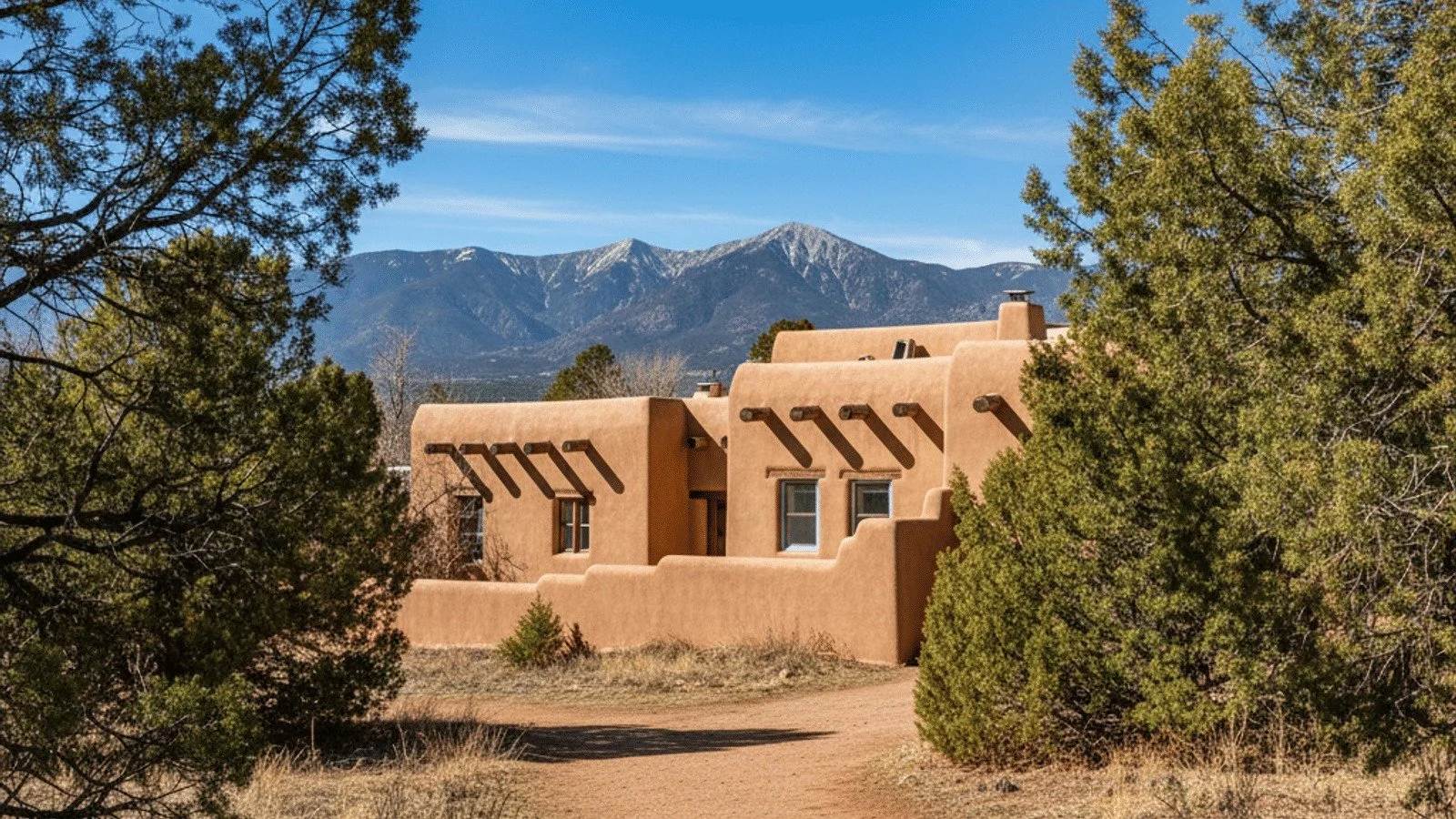
Santa Fe is "The City Different"—famous for its Pueblo-style architecture, world-class art scene, and historic charm. Rio Rancho, often called the "City of Vision," is a rapidly growing, master-planned community that offers modern conveniences and space.
The choice usually comes down to a primary trade-off: Are you looking for the historic culture and atmosphere of a world-famous destination, or are you prioritizing modern affordability and square footage? Let's break down the numbers and the lifestyle to see which one fits your needs.
Cost of Living & Real Estate Market
Let’s be honest: housing costs are usually the deciding factor for most buyers here. This is where the divide between the two cities is widest.
Housing Costs: Santa Fe real estate commands a significant premium. You are paying for the brand, the history, and the scarcity of land. As of late 2025 and heading into 2026, the Median Home Price in Santa Fe generally ranges between $550,000 and $650,000, though desirable historic districts go much higher.
In contrast, Rio Rancho is where you go for value. The housing stock here is much newer—mostly built from the 1990s to today. The Median Home Price sits comfortably in the $350,000 to $450,000 range.
To put that in perspective, $500,000 in Santa Fe might get you a smaller, older condo or a fixer-upper that needs work. In Rio Rancho, that same budget often buys a spacious, modern 3- or 4-bedroom home with a three-car garage and a view of the Sandia Mountains.
Property Taxes: There is a bit of a nuance here regarding taxes. Santa Fe County actually has a lower tax rate (around 0.51%) compared to Sandoval County/Rio Rancho (around 0.79%). However, because the property values are so much higher in Santa Fe, your actual annual tax bill will likely end up being about the same, if not higher, than in Rio Rancho.
Rentals: If you aren't ready to buy yet, know that the rental market in Santa Fe is notoriously tight and expensive. Rio Rancho offers more inventory, including single-family home rentals, which relieves some of the pressure if you are just relocating to New Mexico.
Vibe, Culture, and Community Atmosphere
Once you get past the price tag, the daily "feel" of these towns is starkly different.
Santa Fe, The Historic Destination: Living in Santa Fe means living in a place people travel across the world to see. The pace is slower. You have the walkable Plaza, hundreds of art galleries, and incredible local dining. The architecture is strictly regulated; almost everything is brown stucco or adobe style. It is beautiful, but it can also feel busy during tourist season. The demographic tends to skew slightly older, with many residents seeking second homes or a quiet place to settle down.
Rio Rancho, The Practical Suburb: Rio Rancho feels like a modern American suburb with a Southwest twist. You have wide roads, strip malls, chain restaurants, and large community centers. It doesn’t have the "old world" charm of Santa Fe, but it has a friendly, neighborly vibe. It’s a working town with a broad mix of residents, partly due to the Intel plant and its proximity to Albuquerque. If you prefer a Costco run over an art gallery stroll, Rio Rancho is likely more your speed.
Location, Commute & Accessibility
Geography plays a huge role in your daily logistics.
The Commute: Rio Rancho is essentially attached to the northwest corner of Albuquerque. If you work in ABQ, Rio Rancho is a logical, easy commute.
Santa Fe is about 55 miles north, which translates to a 45–60 minute drive depending on where you start and end. Plenty of people live in Rio Rancho and commute to Santa Fe for work to save money on housing, but that drive up and down I-25 (La Bajada Hill) can be tiring daily.
Public Transit: The Rail Runner Express connects the two cities. It’s a scenic train ride that takes about an hour and fifteen minutes. It’s a great option if you want to save gas and read a book on your way to work, though it does require coordinating with shuttle buses or having a car at the station.
Climate & Geography: Elevation Matters
Newcomers often assume all of New Mexico has the same weather, but elevation changes everything.
Santa Fe (~7,200 ft): Santa Fe sits high in the foothills of the Sangre de Cristo Mountains. Because of this, it experiences true four seasons. Summers are cooler (rarely hitting 100 degrees), and winters are real. You will see snow that sticks around, and you’ll need a solid winter coat. The landscape is dotted with piñon and juniper trees.
Rio Rancho (~5,250 ft): Sitting 2,000 feet lower, Rio Rancho is warmer. It feels more like the high desert you might expect. Summers are hotter, and while it does snow, it usually melts by the afternoon. The views here are expansive, looking out over the mesa toward the massive Sandia Mountains.
Outdoor Access: Both offer incredible outdoors. Santa Fe has immediate access to mountain hiking and the Ski Santa Fe basin. Rio Rancho has excellent access to the Bosque (river trails) and is a quick drive to the Jemez Mountains for camping and fishing.
Education & Safety
For many movers, the practicalities of schools and safety are non-negotiable.
Schools: Rio Rancho Public Schools (RRPS) are a major draw for the area. They are frequently cited as some of the top-performing large districts in the state, with modern facilities and strong athletics programs. Santa Fe has a mix of public options, charter schools, and some highly prestigious private schools, which often appeal to those moving to Santa Fe with specific educational goals.
Safety Statistics: When looking at the numbers, Rio Rancho consistently ranks as one of the safest cities in New Mexico. Data often shows it has roughly 31% less violent crime and 45% less property crime than Santa Fe.
It is worth noting that Santa Fe’s crime rates are somewhat skewed by being a major tourist hub—property crime (like car break-ins) can be higher in areas where tourists congregate. Rio Rancho, being a quiet residential enclave, generally sees less of that activity.
Who Fits Where? Buyer Profiles
Still on the fence? Here is how different buyers usually sort themselves out:
The Remote Worker: If you need a reliable home office and fiber internet, Rio Rancho offers the square footage to make working from home comfortable. If you need inspiration and mountain views—and have the budget—Santa Fe is the dream.
The Commuter: If your job is in Albuquerque, Rio Rancho is the clear winner. If you work in Santa Fe but are priced out, Rio Rancho is a doable, albeit long, commute.
The Culture Lover: If you can’t live without opera, museums, and historic architecture, Santa Fe is non-negotiable. You won't find that aesthetic in Rio Rancho.
The Value Seeker: If you want the most house for your money, a newer build, and lower maintenance costs, Rio Rancho is your best bet.
Neighborhood Quick Looks
To help you visualize where you might land, here are a few key neighborhoods.
Santa Fe
Historic Eastside: The iconic Santa Fe look. Narrow dirt roads, luxury adobes, and walking distance to Canyon Road. Very pricey.
South Capitol: Charming mid-century and bungalow homes. highly walkable to the Plaza and the Rail Runner station.
Eldorado: A community about 20 minutes outside of town. Known for dark skies, big lots, and solar-passive homes.
Rio Rancho
Cabezon: A large master-planned community with parks, trails, and a swimming pool. Very manicured and popular.
Loma Colorado: Centrally located near the aquatic center and library, featuring newer, upscale custom homes.
Northern Meadows: A more affordable area further north, offering great entry-level pricing for newer construction.
Frequently Asked Questions
Is it cheaper to live in Rio Rancho or Santa Fe?
It is significantly cheaper to live in Rio Rancho. Housing costs in Rio Rancho are roughly 30-40% lower than in Santa Fe for comparable properties. Day-to-day expenses like groceries and utilities are similar, but the mortgage or rent savings in Rio Rancho are substantial.
How far is the commute from Rio Rancho to Santa Fe?
The drive is approximately 55 miles, which takes between 45 to 60 minutes one way, depending on traffic on I-25. Many residents make this commute daily, and the Rail Runner Express train is also an option, taking about 1 hour and 15 minutes.
Which city has better weather, Santa Fe or Rio Rancho?
It depends on what you prefer. Santa Fe (7,200 ft elevation) is cooler, has crisp summers, and gets significant snow in the winter. Rio Rancho (5,250 ft elevation) is warmer, with hotter summers and mild winters where snow rarely stays on the ground for long.