
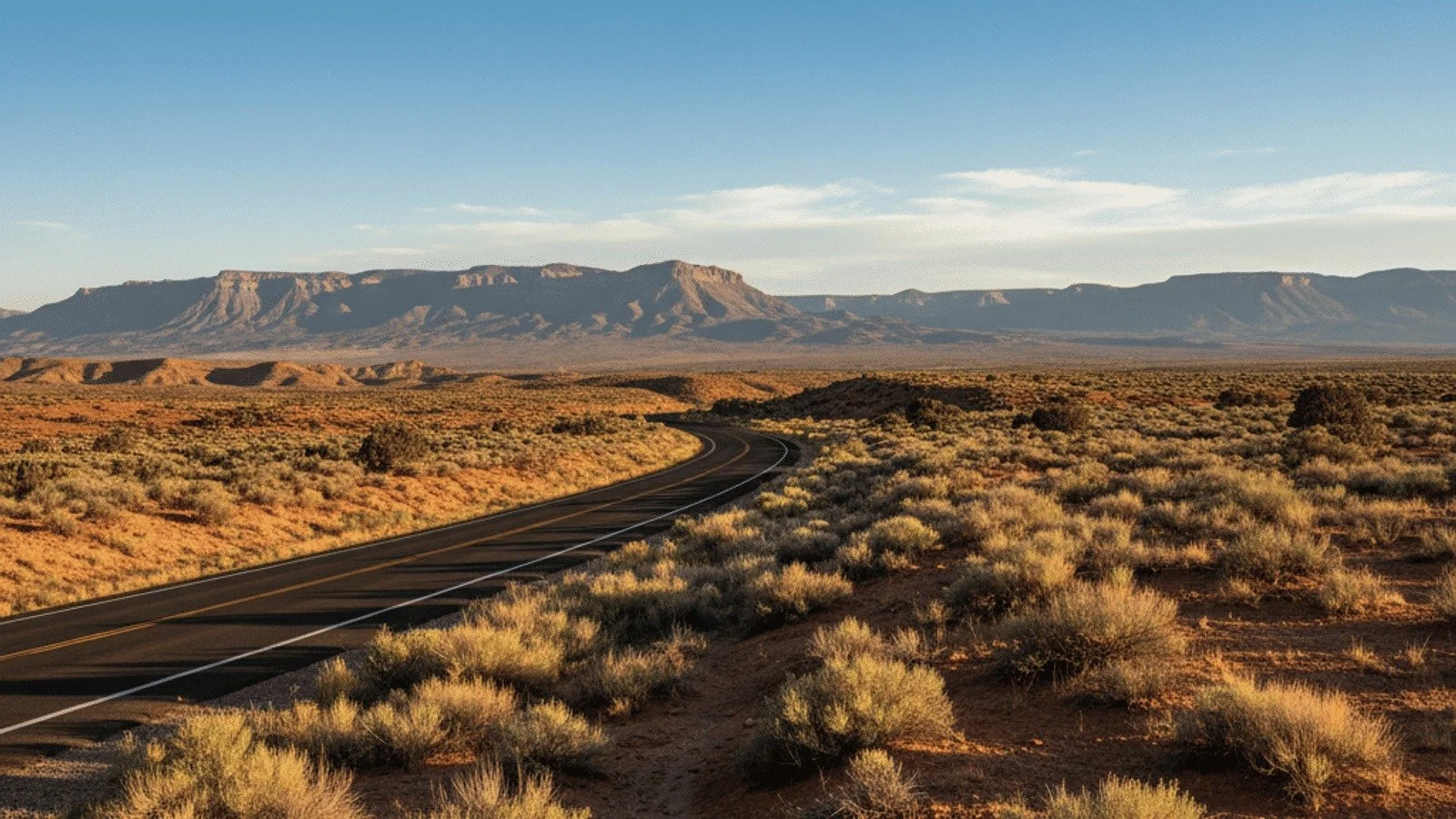
If you are looking at moving to Northern New Mexico, you have likely realized that a short 30-minute drive can make a world of difference. The stretch of highway between Santa Fe and Española separates two distinct lifestyles, housing markets, and cultures.
For many of my clients—especially those relocating for jobs at Los Alamos National Laboratory (LANL)—the choice often comes down to this "commuter triangle." Do you pay the premium for the polished, artistic allure of Santa Fe? Or do you opt for the affordability and deep-rooted authenticity of Española?
There isn’t a single right answer, but the differences are stark. My goal here is to walk you through the real numbers and the day-to-day reality so you can decide which community feels like home.
At a Glance: Major Differences Between Santa Fe and Española
When people ask me to describe the difference between these two cities, I usually start with the "vibe." Santa Fe is globally recognized as a tourism and arts hub. It has an older demographic, a very polished aesthetic, and world-class amenities that cater to visitors and residents alike.
Española, on the other hand, feels like the "real" New Mexico. The demographic skews younger (median age around 37 compared to Santa Fe's 44+), and the culture is deeply local. It is less about luxury amenities and more about community roots and rural living.
Santa Fe: High cost of living, incredible dining and arts, heavy traffic during tourist season, and a "resort" atmosphere in many districts.
Española: Significantly lower cost of living, "Lowrider Capital" culture, rural/suburban feel, and fewer luxury conveniences.
Cost of Living: Budgeting for the High Desert
Let’s be honest: the financial difference between these two locations is the primary driver for most buyers. Living in the high desert is getting expensive, but your dollar stretches much further once you head north of the Santa Fe Opera.
Overall, Santa Fe is significantly more expensive—often running 25% to 40% higher in total costs than Española. While you might find that grocery bills and utility costs are somewhat comparable across the region, the disposable income required to enjoy Santa Fe’s lifestyle is much higher. Dining out, entertainment, and services in the capital city carry a "tourist premium" that you just don't see in the Rio Grande Valley.
If you are strictly budget-conscious, Española is approximately 26% to 38% less expensive overall. This savings is most visible in housing, but it trickles down to everything from property taxes to the cost of a casual lunch.
Housing Market Comparison: Buying and Renting
The real estate market is where the rubber meets the road. Both markets are feeling the pressure of low inventory, largely due to hiring at LANL, but they operate at very different price points.
Santa Fe Market
Santa Fe is competitive and pricey. As of late 2025 and early 2026, the median home price generally hovers in the $575,000 to $675,000 range. When you buy here, you are paying for the brand, the historic districts, and the views. The market moves quickly, though days on market are normalizing to around 60 days. You will see a lot of Pueblo-style architecture, and staying close to the Plaza or the Eastside commands a massive premium.
Española Market
Española offers a much more accessible entry point. Median home prices here are often in the $205,000 to $300,000 range—sometimes 50% lower than Santa Fe. The housing stock is a mixed bag; you might find a historic adobe, a new build, or a manufactured home on a large plot of land. It is common to find homes for sale in Española that offer actual acreage, which is a rarity in Santa Fe unless you have a seven-figure budget.
The Rental Landscape
If you aren't ready to buy, be prepared for a hunt. Santa Fe has a notoriously tight rental market with high monthly rates. Española offers cheaper rents, but there are far fewer options. You won't find many luxury apartment complexes in Española; the rental stock is mostly single-family homes or smaller multi-unit buildings.
Vibe Check: Lifestyle, Culture, and Amenities
Life in Santa Fe is often described as living in a "museum with mountains." As the "City Different," the focus here is heavily on the arts—galleries on Canyon Road, the Santa Fe Opera, and museums are part of the daily fabric. It’s a foodie’s paradise with easy access to hiking and biking trails right at the edge of town.
Española calls itself the "Heart of Northern New Mexico," and for good reason. The pace is slower and the culture is thick. This is the home of lowrider culture and some of the best authentic New Mexican cuisine (red and green chile) you will ever eat. It feels like a small town where everyone knows everyone.
When it comes to errands, Santa Fe wins on variety. You have access to Trader Joe’s, Whole Foods, and major shopping malls. Residents of Española have the essentials like Walmart, Lowe's, and local grocers, but many still drive down to Santa Fe on weekends for specialty items or a wider variety of retail therapy.
Commuting and Location
If you are working at LANL or in Santa Fe, the commute is a daily reality. The drive between the two cities is a straight shot on US-84/285. In good weather, it takes about 30 to 40 minutes, though rush hour traffic entering Santa Fe can grind to a halt.
Public transit is a surprisingly strong option here. The North Central Regional Transit District (NCRTD), locally known as the "Blue Bus," offers routes that connect the region, often fare-free. While the Rail Runner train connects Santa Fe south to Albuquerque, it does not service Española.
For those working at the Lab, Española actually offers a geographic advantage. Many employees choose to live here because the commute to Los Alamos is often shorter (20–30 minutes) and less congested than driving up "the hill" from the southern side of Santa Fe.
Safety and Crime Rates
This is a topic that comes up with almost every client. It is important to look at the data objectively rather than just relying on reputation.
Statistically, Española faces challenges with crime rates that are higher than both the state and national averages. This includes both property and violent crime categories. However, context matters. Many residents will tell you that the community is tight-knit and that they feel very safe in established neighborhoods like La Mesilla or Santa Cruz.
Santa Fe is not immune to these issues, specifically regarding property crime. Vehicle theft and burglary rates in Santa Fe are higher than the national average, even in upscale areas.
When looking at either city, I always recommend driving the neighborhood at different times of day to get a personal feel for the environment.
Schools and Education Districts
Education is often a deciding factor for households moving to the area.
Santa Fe has a large public school district with a wide variety of options. Beyond the standard public schools, the city is known for having many charter schools and several highly-rated private prep schools. This variety gives residents more choices to find a learning environment that fits their specific needs.
Española is served by Española Public Schools. Statistically, proficiency rates in the district tend to trail behind Santa Fe. There are fewer private school alternatives in the immediate area. However, it is worth noting that Northern New Mexico College is located right in Española, providing accessible higher education and vocational training to the community.
Summary: Pros and Cons
If you are still weighing your options, here is a quick summary of the trade-offs:
Santa Fe Pros: A cultural hub with world-class dining, walkable historic areas, and established luxury real estate.
Santa Fe Cons: High cost of entry, heavy traffic congestion, and a higher overall cost of living.
Española Pros: Very affordable housing, authentic local culture, less traffic, and easy access to outdoor recreation near Abiquiu.
Española Cons: Higher crime statistics, fewer shopping and dining amenities, and lower-rated school metrics.
Frequently Asked Questions
Is it cheaper to live in Española or Santa Fe?
Yes, Española is significantly cheaper. Housing costs can be roughly 50% lower than in Santa Fe, and the overall cost of living is estimated to be 26% to 38% less, making it a strong value for the region.
How far is the drive from Española to Santa Fe?
The drive is approximately 25 to 30 miles, which typically takes 30 to 45 minutes depending on traffic. The route is a straight shot along US-84/285, though commuter traffic can add time during peak hours.
Is Española, NM safe to live in?
Española does have crime rates that are statistically higher than the national average, particularly regarding property and violent crime. However, safety can vary greatly by neighborhood, and many residents in areas like La Mesilla report feeling safe and supported by a close community.
Which city is better for commuting to Los Alamos National Lab?
Española is often the more convenient option for LANL employees. The drive from Española to Los Alamos is generally shorter (about 20–30 minutes) and avoids some of the heavier traffic bottlenecks found when commuting from Santa Fe.